Six rehabilitated wildlife released into Aurora forests
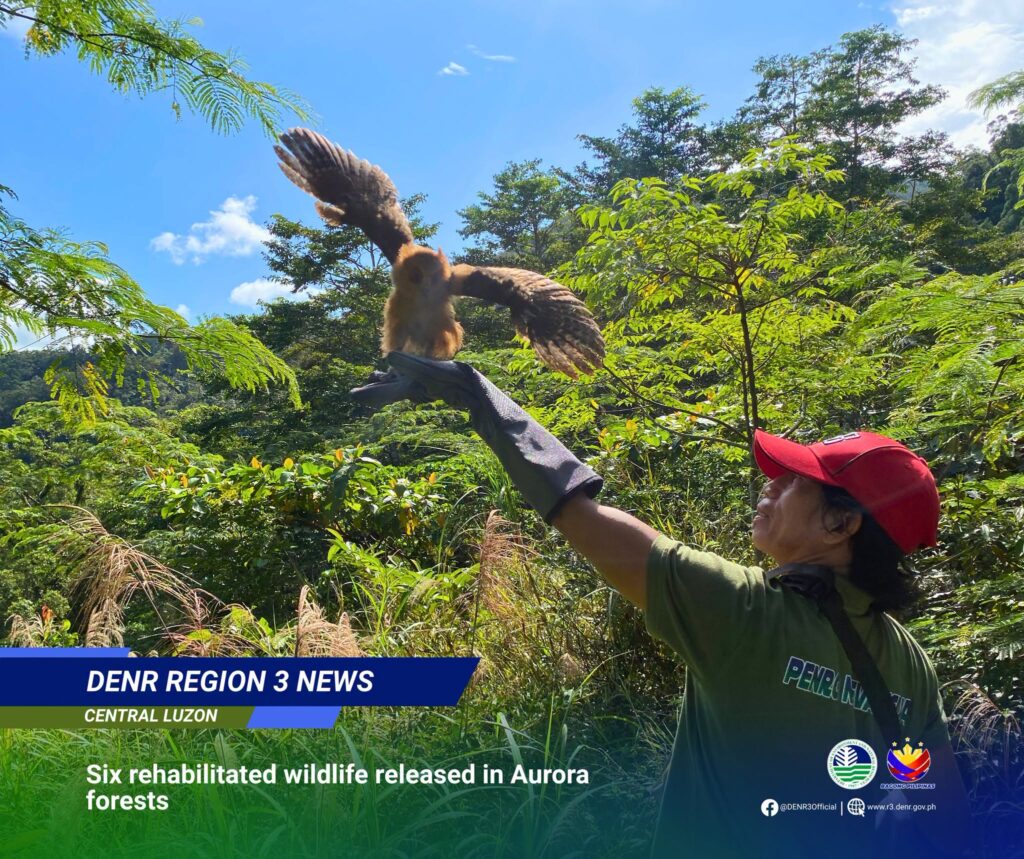
CITY OF SAN FERNANDO, Pampanga — The Department of Environment and Natural Resources (DENR) released six rehabilitated wild animals into a forested area of Aurora Memorial National Park (AMNP), reaffirming its commitment to wildlife protection and biodiversity conservation in Central Luzon.
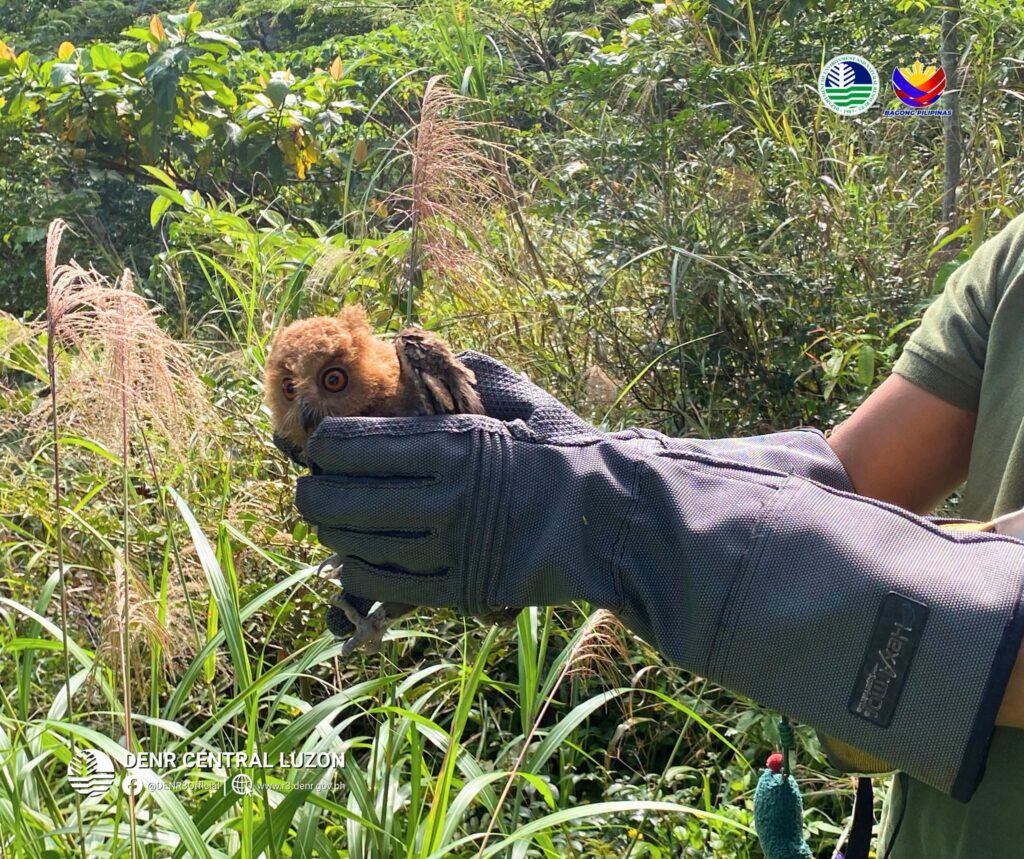
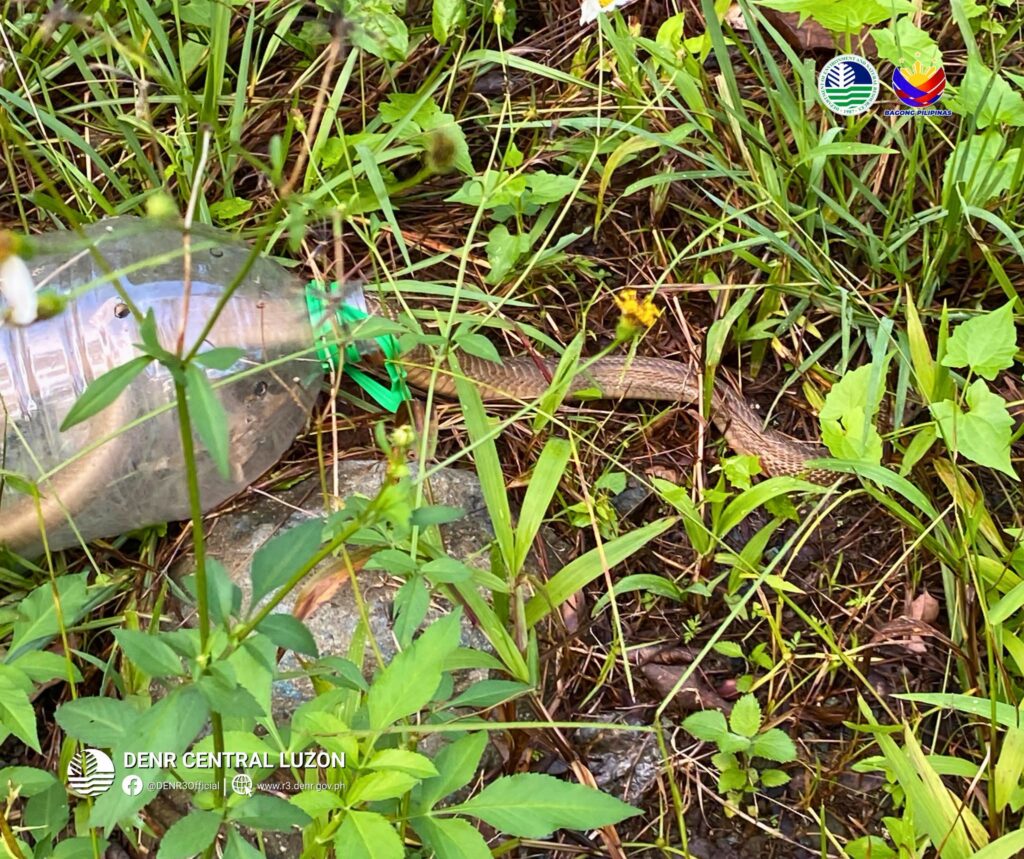
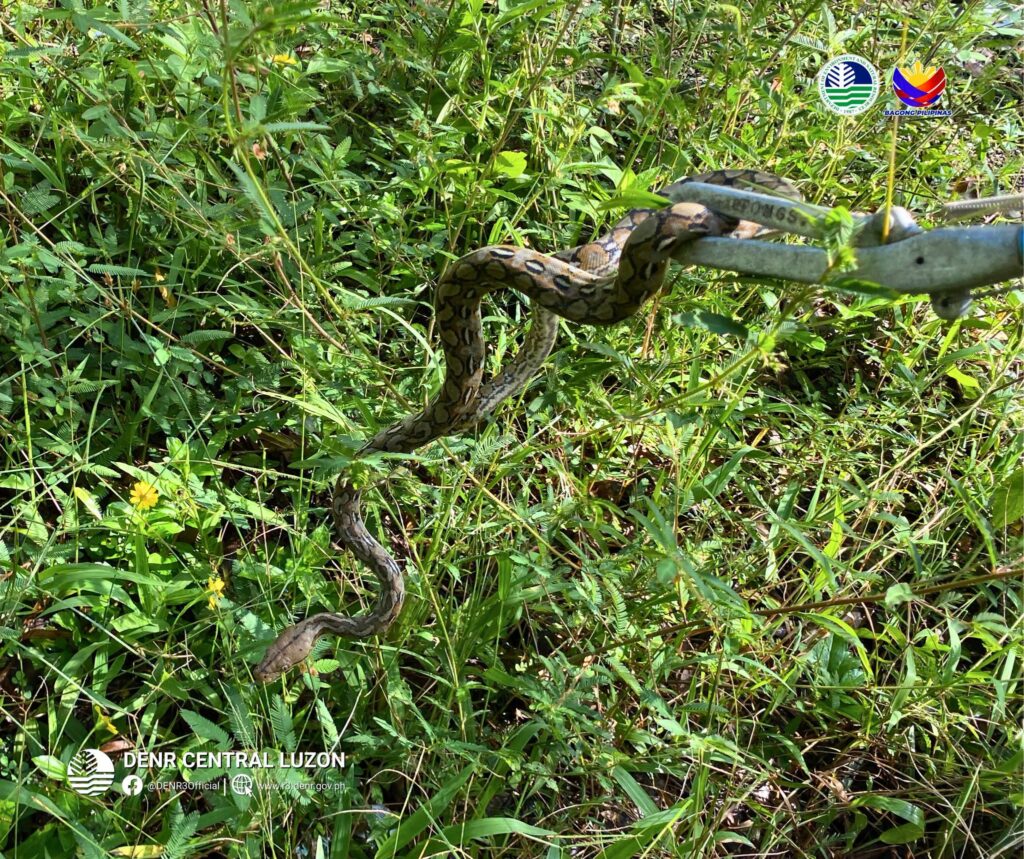
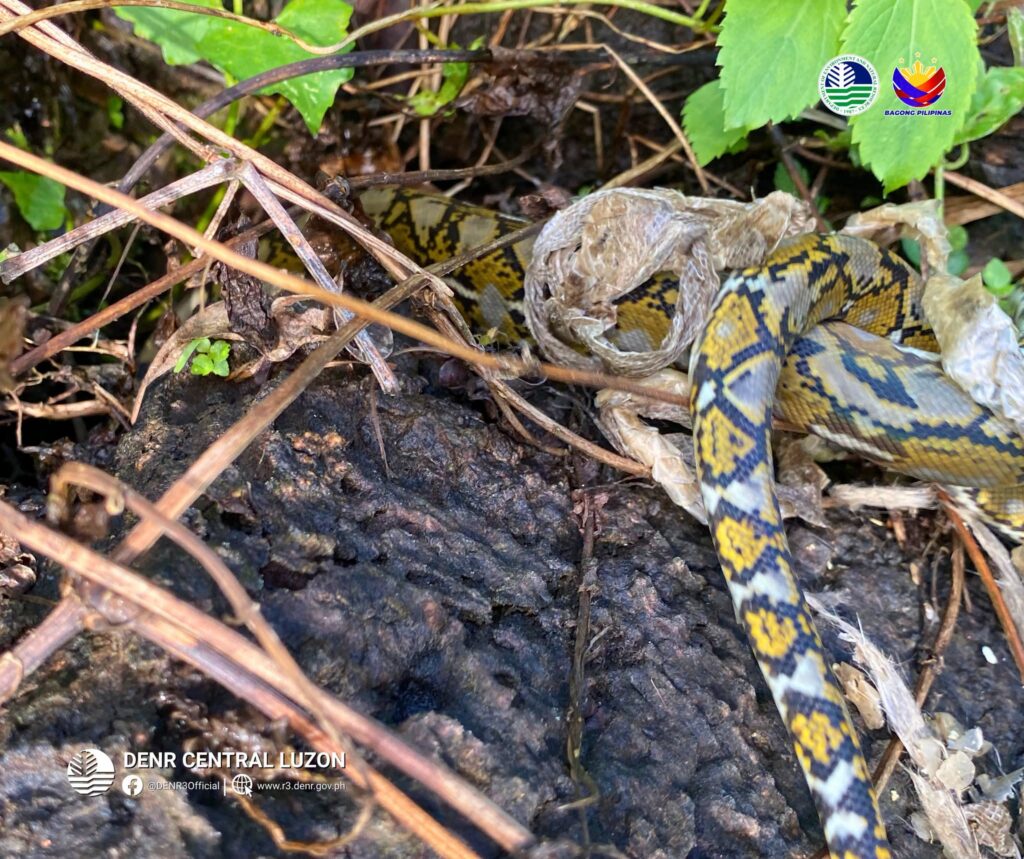
Artemio Almazan Jr., head of the Provincial Environment and Natural Resources Office (PENRO) in Nueva Ecija, said the released animals consisted of three Philippine cobras (*Naja philippinensis*), two reticulated pythons (*Malayopython reticulatus*), and one Philippine scops owl (*Otus megalotis*).
Almazan said the DENR Regional Wildlife Rescue Center (RWRC) received the animals from DENR field offices and local government units for proper care and rehabilitation before returning them to their natural habitat.
“Before the release, the RWRC conducted physical assessments, provided appropriate feeding management, and completed the necessary documentation to determine whether the animals were fit to survive in the wild,” Almazan explained.
DENR Regional Executive Director Ralph Pablo emphasized the importance of cooperation among government agencies and local communities in protecting wildlife.
“Every successful wildlife release is an important step toward preserving our natural heritage. Through the cooperation of our field offices and local government partners, we can ensure that rescued animals receive proper care and are returned to suitable habitats when they are ready,” Pablo said.
Pablo also urged the public to report wildlife in need of assistance and refrain from harming or keeping wild animals without proper authorization. He underscored the importance of rehabilitation and thorough assessment in preparing rescued animals for release.
The DENR continues to work with local government units and other stakeholders to strengthen wildlife rescue, rehabilitation, and conservation efforts across the region. Through these initiatives, the agency seeks to protect the country’s wildlife resources and preserve biodiversity for present and future generations.