
Philippines, US conclude Balikatan 2026
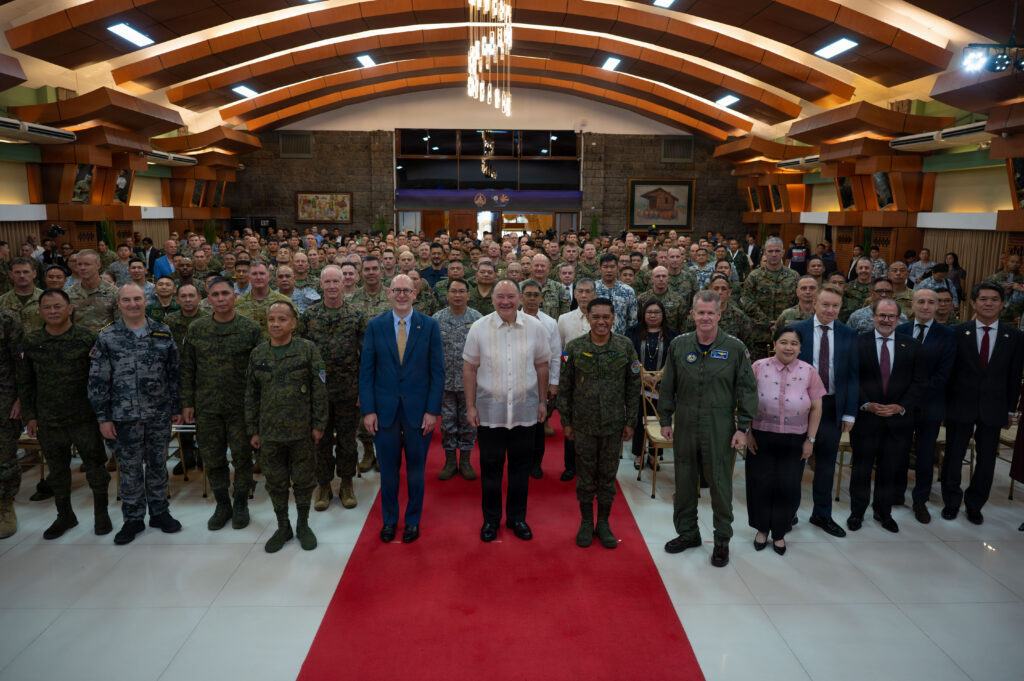
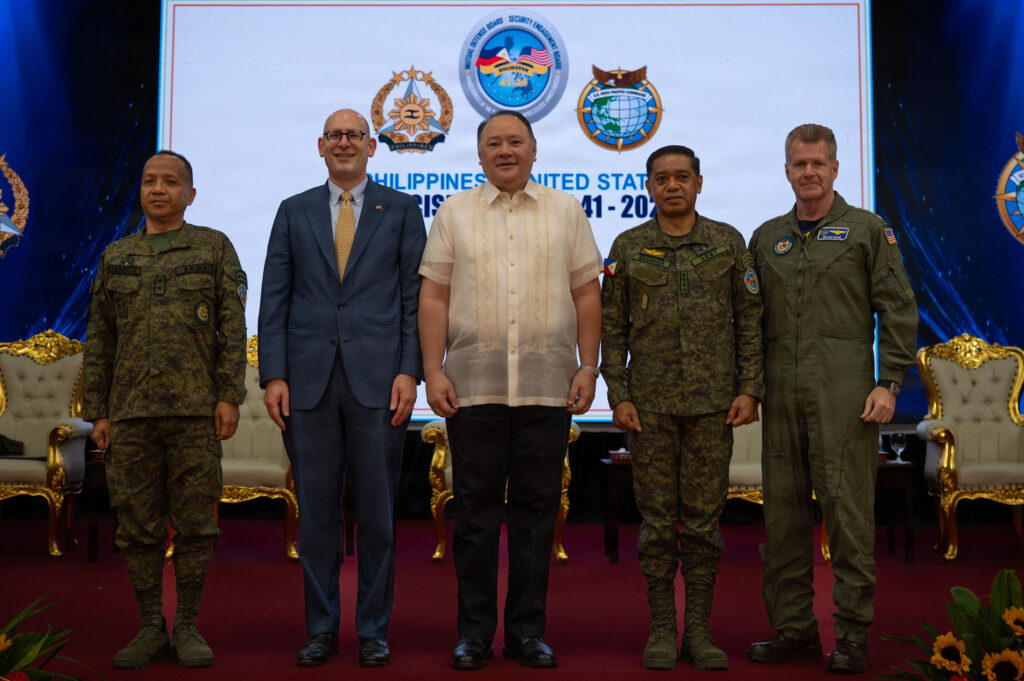
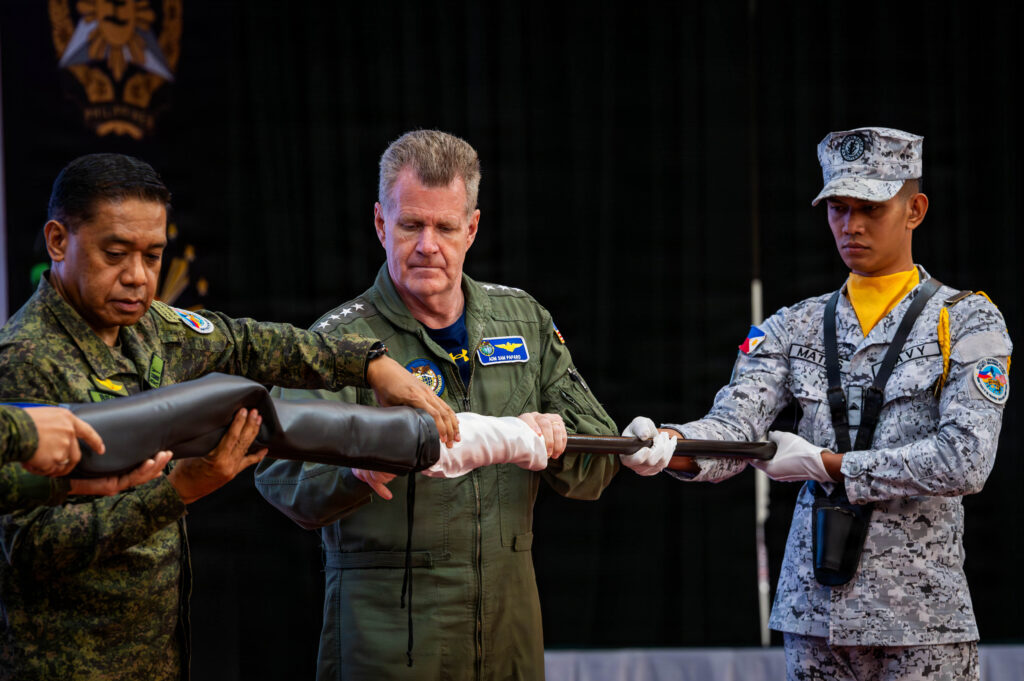
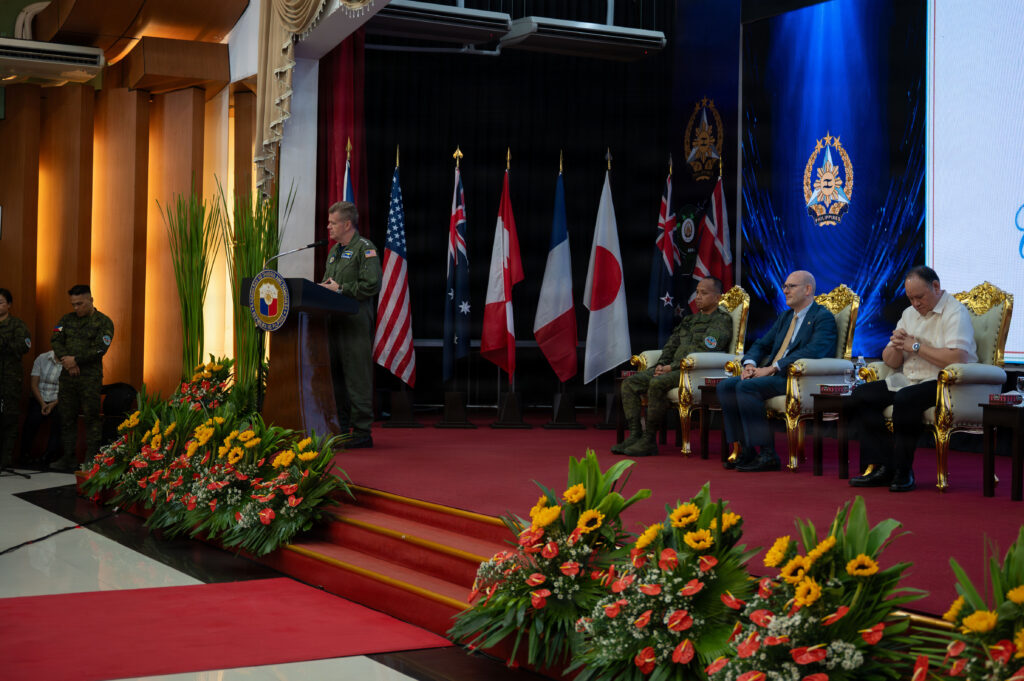
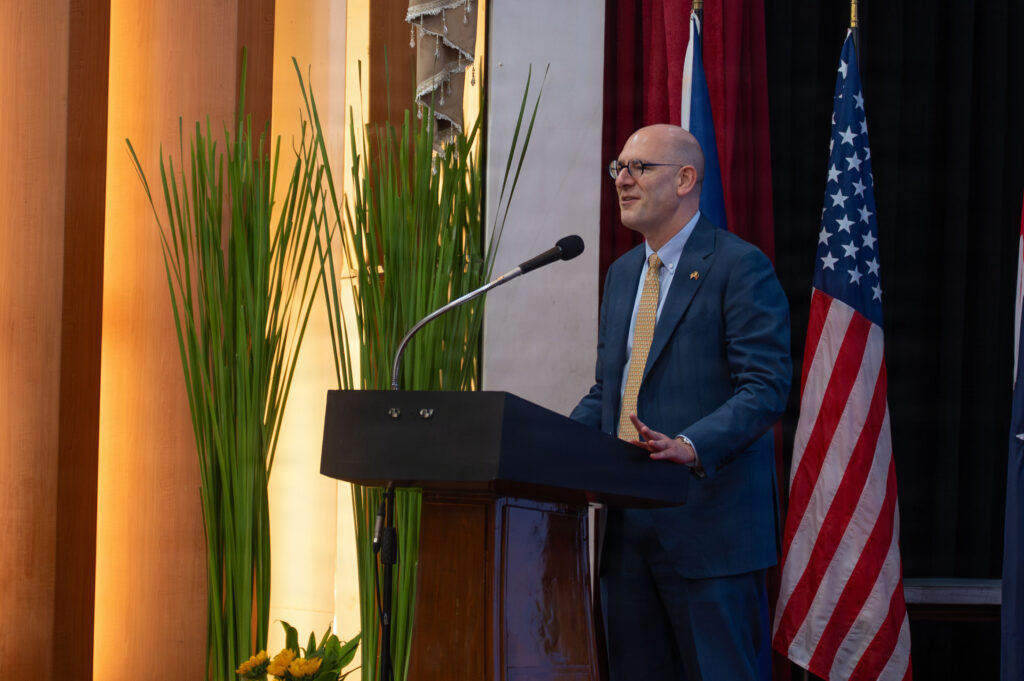
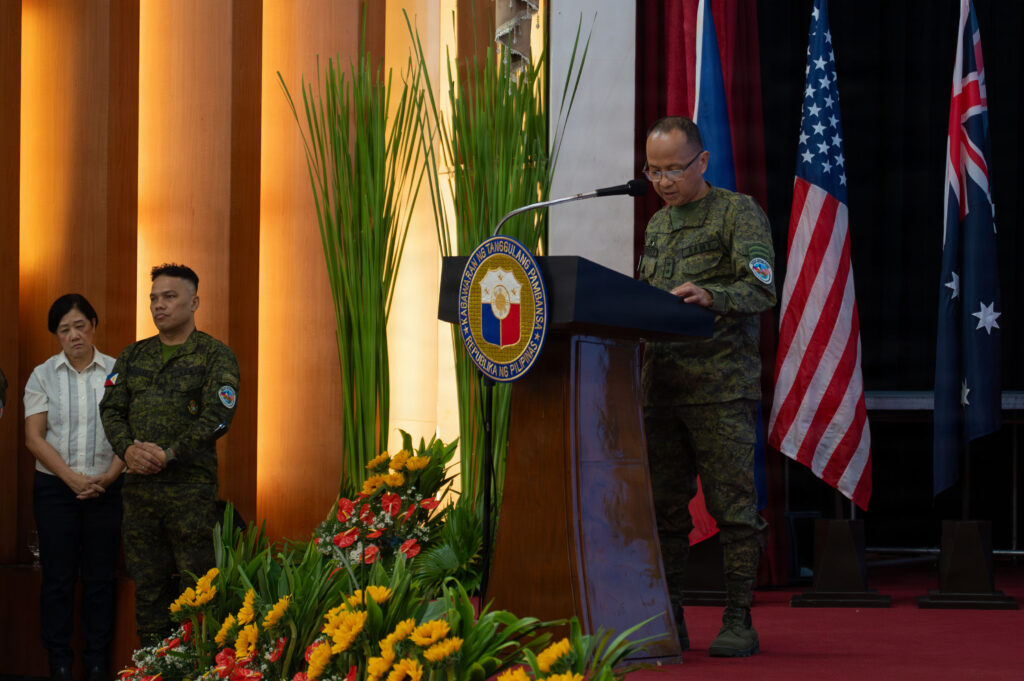
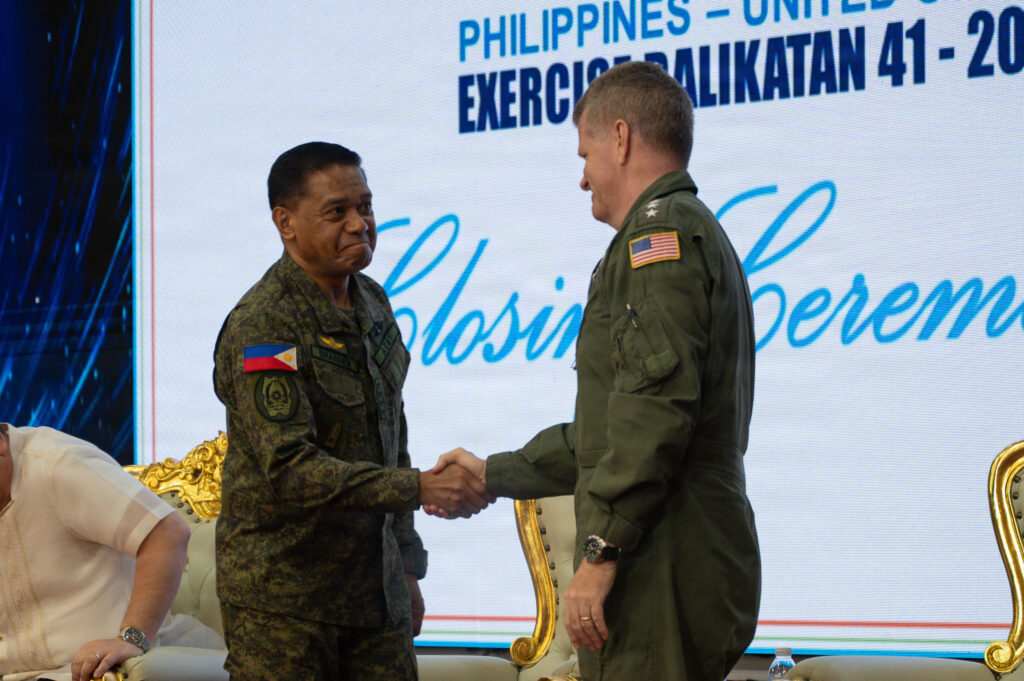
CAMP AGUINALDO, Quezon City, Philippines – The Armed Forces of the Philippines hosted the closing ceremony of Exercise Balikatan 2026, May 8, marking the successful completion of the largest annual military exercise between the Philippines and the United States.
The ceremony was a celebration of a successful exercise and a reminder of the shared values that underpin it. This 41st iteration of the exercise proved to be the most expansive Balikatan to date. Five ally and partner nations joined the Philippines and United States – Australia, Japan, Canada, France, and New Zealand – bolstering the shared knowledge, capabilities, and momentum of the exercise from start to finish.
“Balikatan 2026 marked a strategic evolution from a bilateral exercise to a full-scale, multinational mission rehearsal for the defense of the Philippines,” said U.S. Navy Adm. Samuel J. Paparo, commander of U.S. Indo-Pacific Command. “That growth reflects the security environment. It reflects the sovereign choices of free nations.”
The 19-day exercise highlighted the combat credibility, crisis readiness, and spirit of cooperation forged over decades of U.S.-Philippines bilateral training and reinforced by a growing coalition of like-minded partners and allies.
Combat credibility starts with detailed planning and strategic logistics. Long before the opening ceremony, service members dedicated months to the tactical plans, life support considerations, and safety precautions, paving the way for operations to begin. In March, AFP and U.S. forces, alongside civilian entities, conducted a Maritime Prepositioning Force offload to prepare equipment and sustainment for the exercise, strategically moving items from Mindanao through Subic Bay and onto training areas.
With combat power in position, the combined and joint force conducted complex all-domain live-fire events, enhancing air and missile defense, counter-landing, and maritime security and strike capabilities. These events integrated advanced capabilities into realistic scenarios across the archipelago, demonstrating how combat power becomes credible when applied by a capable, multinational force.
Combat credibility was also on display at sea – the Philippines, United States, Australia, Japan, and Canada conducted a Multilateral Maritime Event off the western coast of Luzon, featuring training inlive-fire gunnery, anti-submarine warfare, and replenishment at sea as well as deck landing qualifications.
“Balikatan was never simply about conducting activities,” said Philippine Army Gen. Romeo S. Brawner Jr., chief of staff of the Armed Forces of the Philippines. “It was about strengthening the ability to respond together in real, complex conditions. And that matters because in today’s security environment, readiness cannot be improvised.”
Crisis readiness was built as partner forces conducted advanced aeromedical, combat search-and-rescue, and mass casualty training. And readiness was called upon the first day of the exercise when AFP and U.S. forcesresponded to a vehicular accident, extracting multiple injured civilians from a ravine while aviation units coordinated rapid helicopter medical evacuations. Their coordinated response highlights that this year’s events are a product of decades of military cooperation.
Throughout the exercise, the spirit of cooperation extended directly into local communities. At five sites across the archipelago – from Mindanao to Palawan to Northern Luzon – service members worked alongside local leaders, barangay rural healthworkersand community partners to support medical and dental exams, health education, classroom technology, infrastructureprojectsand community engagements tailored to local priorities; lasting impacts of health engagements and engineering projects will provide value to the lives of more than 60,000 Filipinos.
The exercise’s success in enhancing combat credibility, crisis readiness, and the spirit of cooperation represents a shared commitment to regional peace and stability that is the foundation of the 1951 U.S.-Philippine Mutual Defense Treaty, stronger than ever 75 years after signing.
“These anniversaries remind us that our alliance is not merely a matter of treaty obligations. It is a living partnership, designed and strengthened across generations, and grounded in shared values, mutual respect, and common purpose,” said Y. Robert Ewing, chargé d’affaires, a.i., at the U.S. Embassy in the Philippines. “Exercise Balikatan serves as a powerful testament to our alliance in action. It demonstrates our collective commitment to prepare together, alongside other like-minded nations, to deter common threats and uphold a free and open Indo-Pacific.”

